Last month, my colleague Thelma Laryea and I attended the WACREN Conference 2026 in The Gambia, where Crossref contributed to conversations on open infrastructure, persistent identifiers, and the future of scholarly communication in Africa.
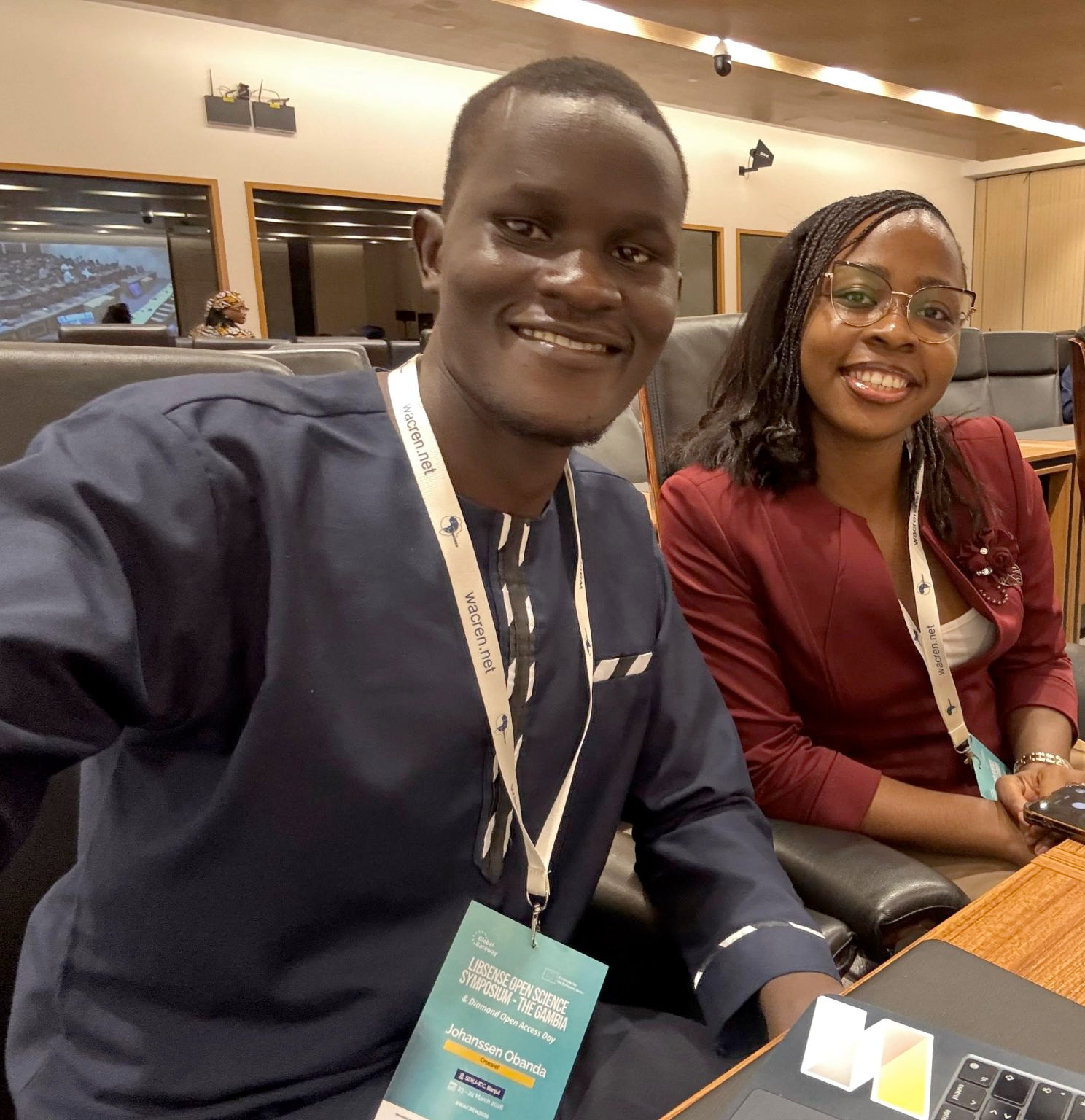
The big theme at the conference was Connected Futures: Advancing Africa’s Digital Sovereignty Through Open Collaboration, and Diamond Open Access, a publishing model where research is free to read and free to publish, with no fees on either side, was one of the key discussion topics. It’s gaining momentum across Africa, and organisations like AJOL, EIFL, DOAJ, ORCID, and WACREN (a Crossref sponsor) are all pushing in the same direction.
Our session focused on how Crossref supports the quality, discoverability, and trustworthiness of Diamond Open Access journals and books, particularly as more institutions across Africa invest in community-led publishing models. We also highlighted WACREN’s role as a Crossref sponsor and how this can help institutions in West Africa participate more easily in the global research ecosystem.
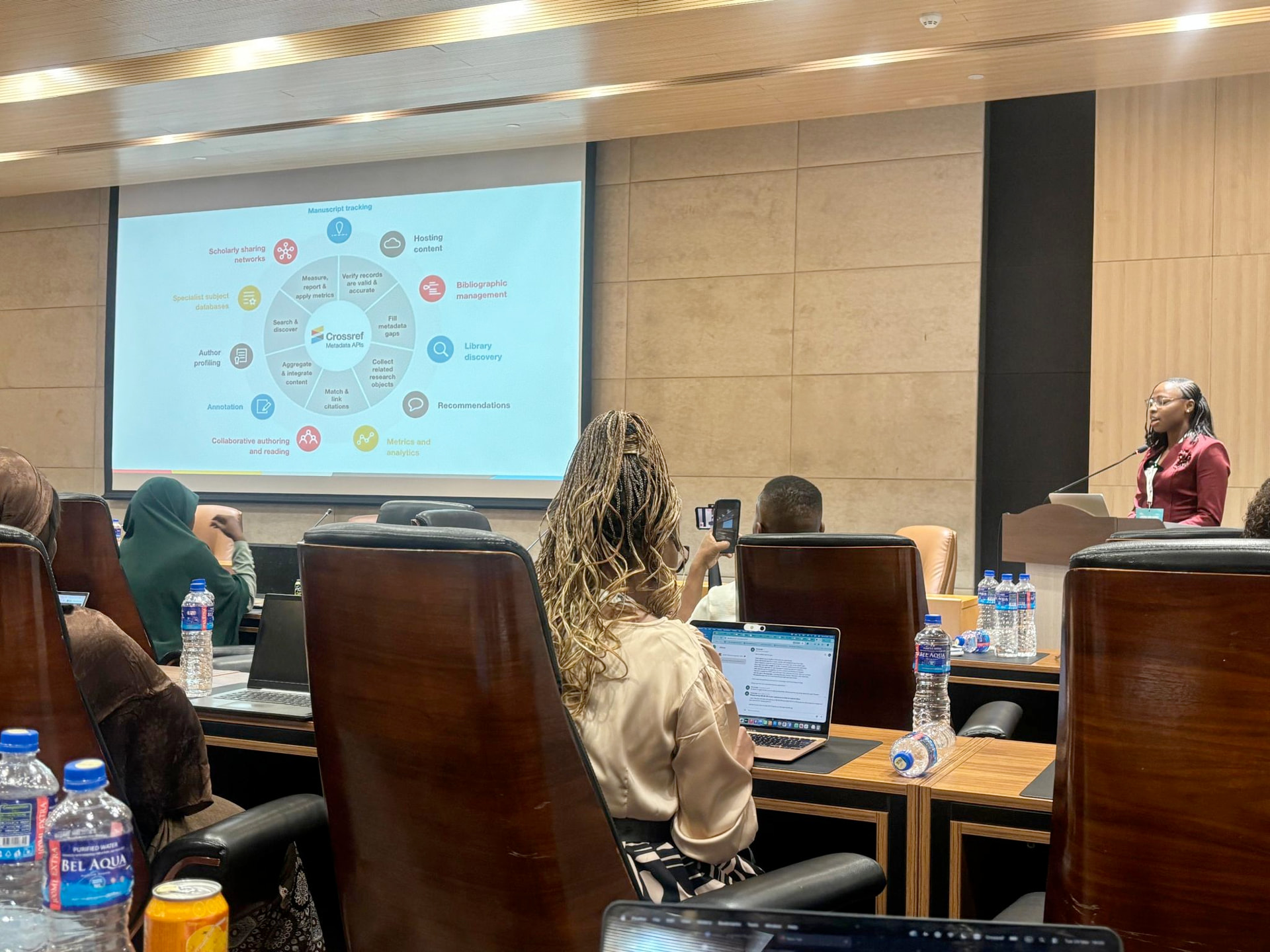

More institutions now see metadata as part of a broader effort to improve research visibility, trust in scholarly publishing, funding transparency, long-term preservation and regional ownership of knowledge.
Open Science is becoming a priority for many African research and education networks. Beyond providing connectivity, several national research and education networks are now helping universities build institutional repositories, national and regional repository systems, open publishing platforms, and stronger metadata workflows. This is creating a more connected scholarly infrastructure that can better support local research.
Another important theme was digital sovereignty. Many participants spoke about the growing need for institutions to preserve control of their own scholarly data while still making that data interoperable with global systems. As AI and digital publishing continue to evolve, institutions are concerned about who controls our infrastructure, who owns their research data, and how they remain visible globally while retaining local control.
Beyond the busy and long conference days, it was delightful to connect with new and familiar people and experience the beautiful, smiling coast of Africa.